
Why practise before you trade anything
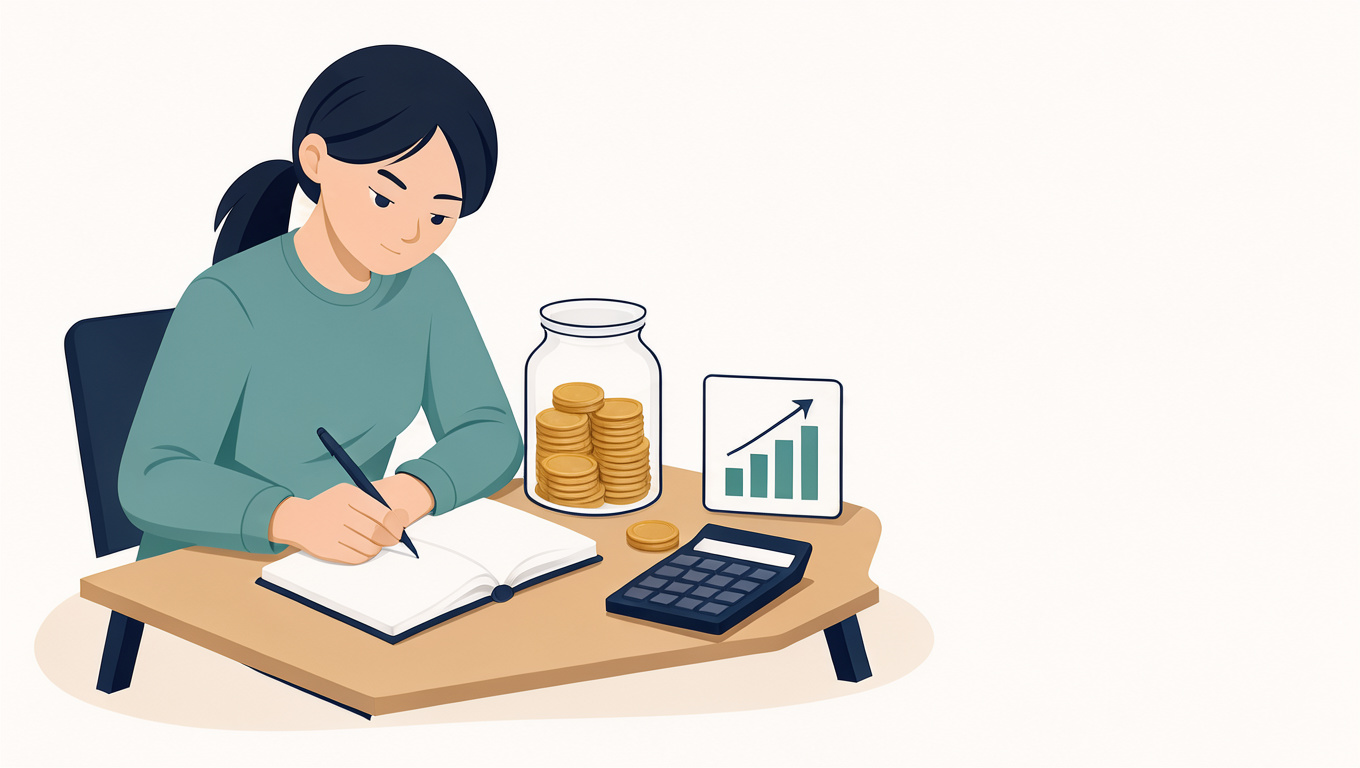
Most people learn to trade on a live account, which means the learning is paid for with money that matters and the lessons are learned once, expensively. Practice is not a warm-up you skip when you are confident. It is the part where you find out what you do under pressure.
The specific value is not that practice is safe. It is that practice is checkable: you can look at what you did, why, and what happened, in a record you kept at the time rather than reconstructed from memory afterwards.
Quick answer
Because the skills that matter are not the analysis — they are waiting, sitting with a loss, and not taking the trade that looks too good. None of those is learned from reading, and all of them are learned by doing the thing repeatedly without money at stake, then with a small amount.
What practice cannot teach you
Facing this honestly is what makes the rest useful. Practice, without real money, does not reproduce fear. You will not feel the thing that actually causes people to abandon a plan, and a paper record that shows you followed the rules tells you something about your discipline under conditions that do not exist.
It also does not reproduce slippage, partial fills or a market that gaps past your stop. Where a simulator models those, it is worth using exactly because those are the conditions most likely to end an account for reasons you did not choose.
The transition, not the practice, is where people fail. A plan that works on an unemotional account is not yet a plan that works. The test is a small live amount you are genuinely willing to lose, and the question is whether the behaviour survives when the number is real.
The three things worth measuring while you practise
Most practice focuses on the result, which is the one thing a short run cannot measure. These are the measures that are meaningful in the first weeks:
- Did you follow your own rule? Every time you broke it, note the reason. The reasons repeat, and the pattern is the thing to work on.
- Was the loss the size you planned? If it was larger, the sizing was wrong or the stop moved. Both are fixable and both are invisible in a profit figure.
- Did you trade when you had decided not to? The trade taken out of boredom or after a loss is the one that does the damage, and practice is where you find out how often you take it.
Keeping a record that means something
A record kept afterwards is a record of what you told yourself. A record kept at the moment of the decision is data, which is why the useful discipline is to write the entry, the reason and the stop before the trade, and to note the outcome after without editing the reason.
This is uncomfortable and it is the entire mechanism. A record that makes your own reasoning visible is the only way to find out whether the reasoning or the outcome was at fault, and those are different diagnoses that need different responses.
How long is long enough
Long enough to have taken losses and behaved well afterwards. That is a condition rather than a duration, and it usually takes longer than people expect, because a short run that happens to go well does not test the thing that needs testing.
A run that produced no losses has produced no information about how you handle losses. That is the single most useful sentence in this area, and it is why the practice period should continue past the first good week rather than ending on it.
The mechanics of a simulator are covered in paper trading and backtesting. The arithmetic that decides how much a mistake costs is in risk and position size.
The simulator is a rehearsal for behaviour
A simulator is often described as a way to learn the interface. The more useful framing is that it is a rehearsal of what you do when a position goes against you. The interface takes ten minutes; the behaviour takes the practice period.
So use it for the hard cases rather than the interesting ones. Take a loss you did not expect. Sit through a period where nothing happens. Put yourself in the situation that makes people act, and find out what you do — because that is the only thing the simulator can teach that reading cannot.
What to do when the practice period is going badly
A practice period where you break your own rules repeatedly is a result, not a failure. It means the rules are either unrealistic or not yet habits, and both are worth knowing before the money is real.
The useful response is to simplify rather than to practise harder. Fewer instruments, one setup, a fixed size. Complexity is what breaks under pressure, and a practice period is the cheapest place to discover which part of your plan you cannot hold.
Common questions
Why practise trading before using real money?
Because the skills that matter are waiting, sitting with a loss, and refusing the trade that looks too good. None of those is learned from reading, and all are learned by doing the thing repeatedly without money at stake.
What can paper trading not teach you?
Fear. Practice without real money does not reproduce the feeling that causes people to abandon a plan, so it cannot tell you how you will behave when the money is real.
How long should a practice period last?
Long enough to have taken losses and behaved well after them. That is a condition rather than a duration, and a run that produced no losses has produced no information about how you handle losses.